
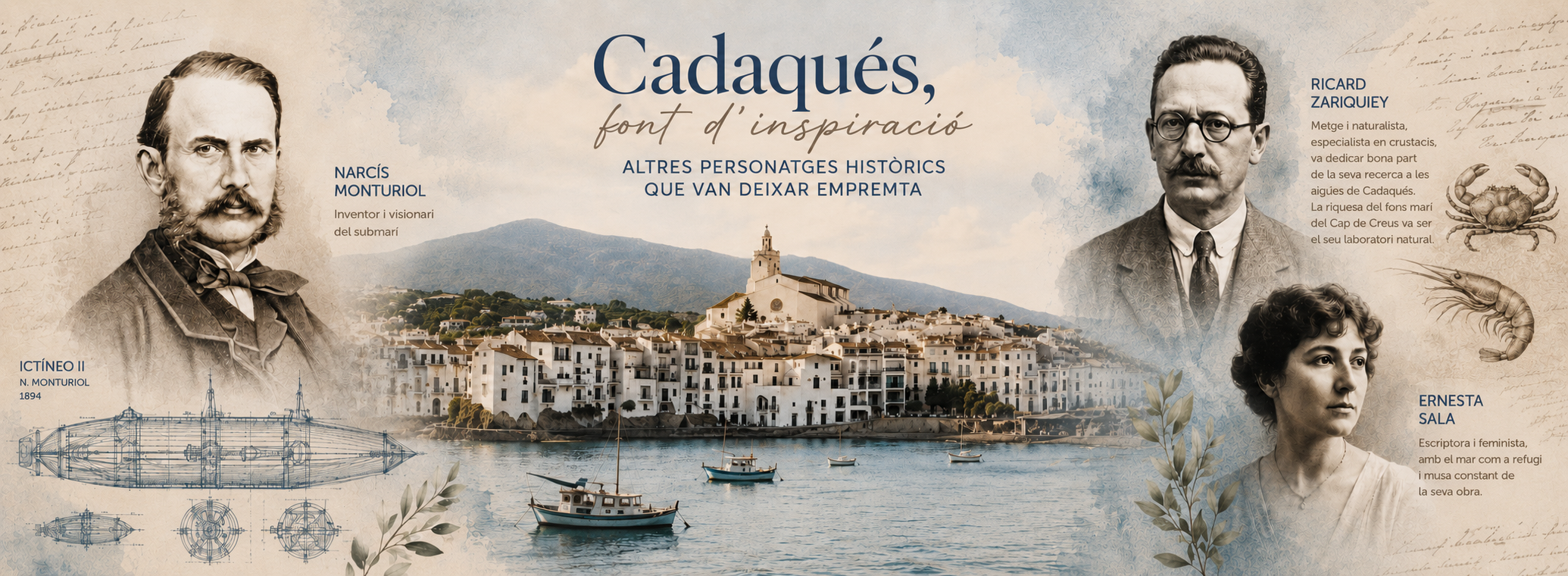
When people speak of the figures who found inspiration in Cadaqués, attention usually turns immediately to painting, literature, music or cinema. However, the village and the landscape of Cap de Creus also aroused the curiosity of inventors, scientists and language scholars. For some of them, Cadaqués was not merely a place to rest: it became the origin of an idea, a setting for research or the principal subject of a work.
There are not many cases that can be documented clearly. Many notable people visited the village or spent periods there, but this does not necessarily mean that Cadaqués influenced their work. When a more demanding criterion is applied and only those figures whose activities were directly connected with the surrounding area are included, several particularly significant stories emerge.
Narcís Monturiol: an idea born by the sea
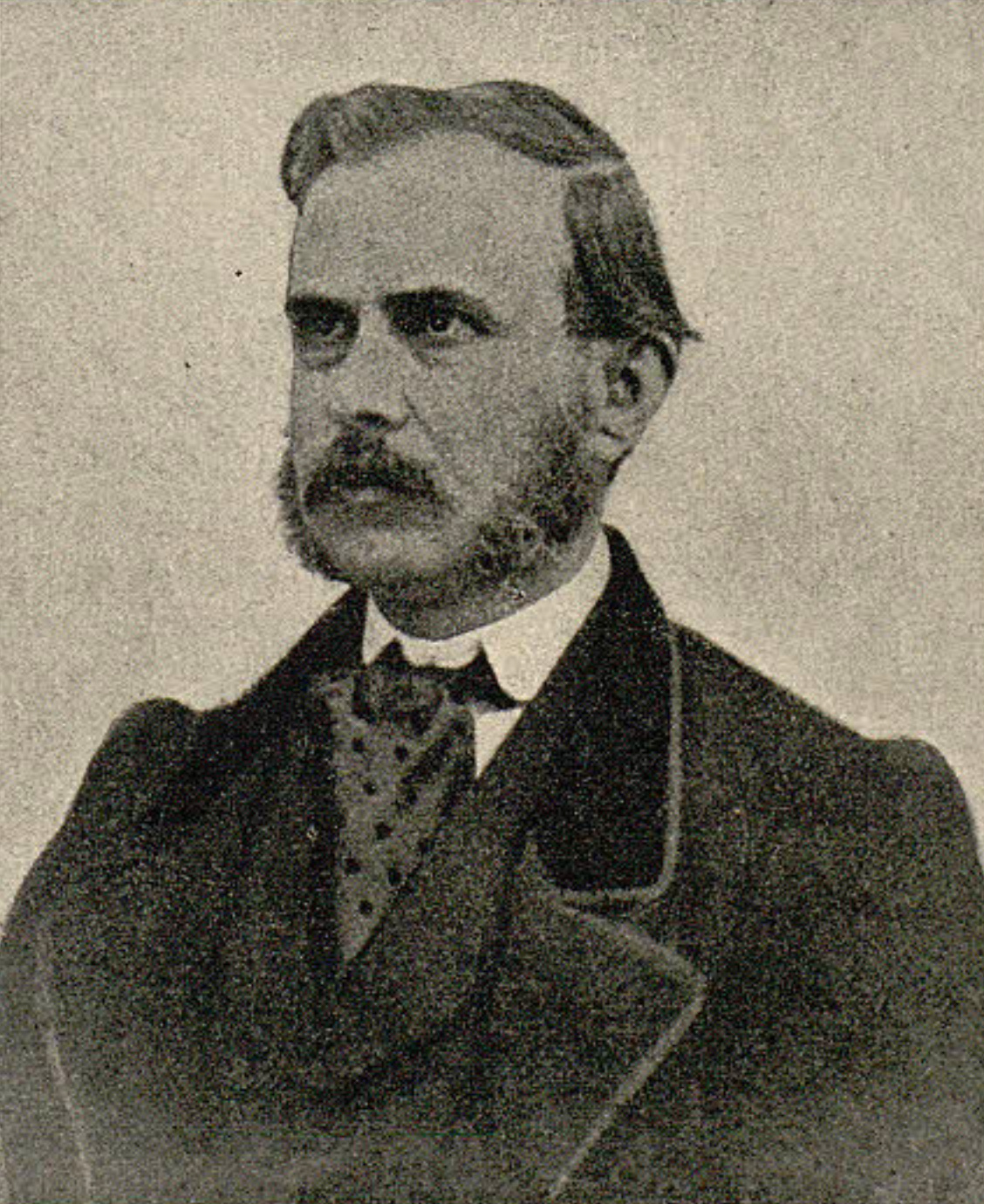
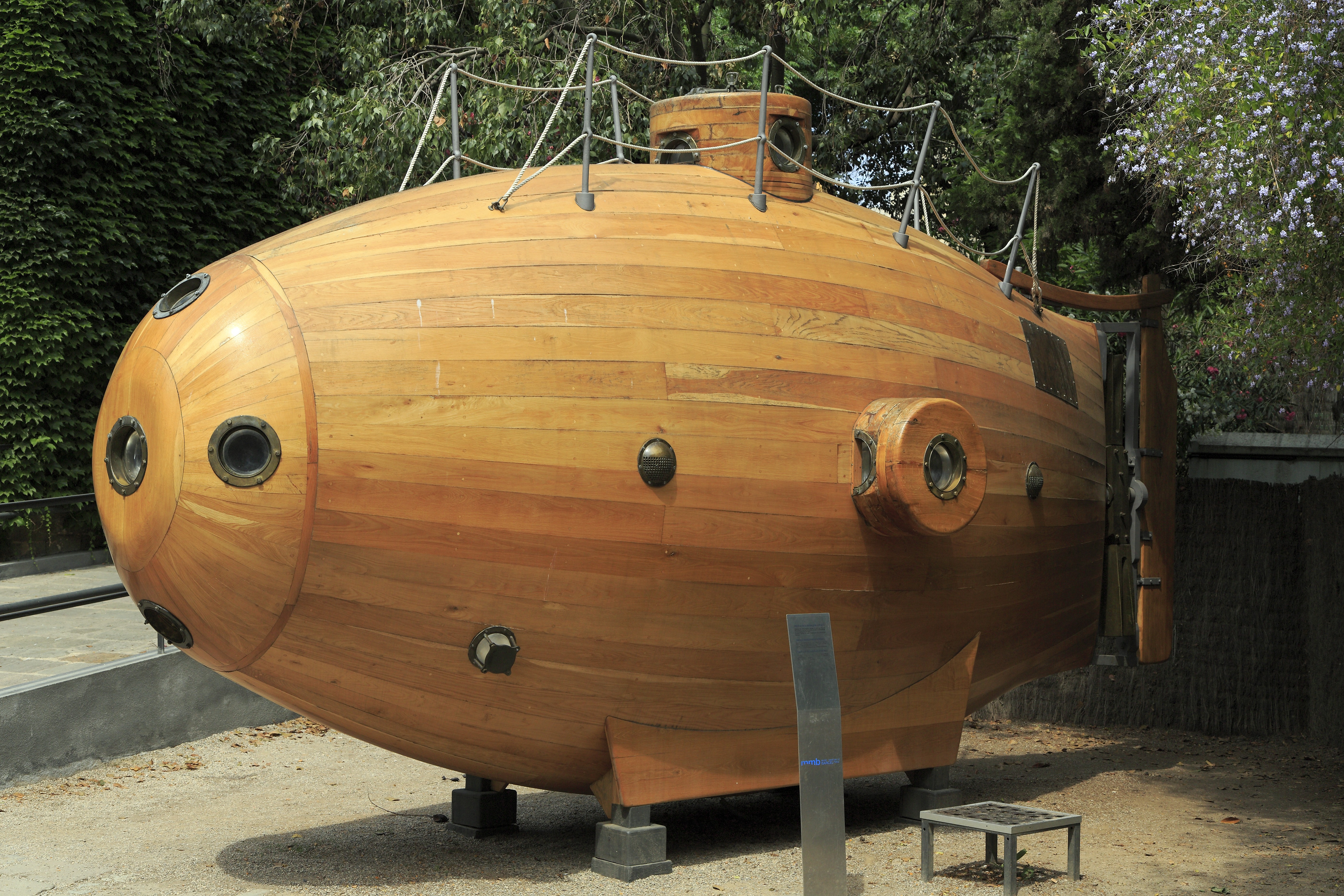
The best-known case is that of Narcís Monturiol, a pioneer of underwater navigation and creator of the Ictíneo I and Ictíneo II submersibles.
Monturiol arrived in Cadaqués while seeking refuge from the persecution he faced because of his political activities. During his stay, he was able to observe at close range the work of the coral divers of Cap de Creus, who descended to the seabed in extremely dangerous conditions. According to biographical sources, he even witnessed a fatal accident connected with this activity. That reality led him to consider the possibility of building a vessel capable of travelling underwater and enabling the workers to carry out their work more safely.
After returning to Barcelona, he transformed that idea into a technical project. In 1858 he published El Ictíneo o barco-pez and, the following year, carried out the first trials of his submarine. The Ictíneo I was initially designed to facilitate underwater exploration and coral gathering, so the connection between the invention and what Monturiol had observed in Cadaqués was direct.
In this case, Cadaqués did not serve merely as a source of scenic inspiration. The village, its relationship with the sea and the living conditions of its inhabitants presented a specific problem to which Monturiol attempted to provide a solution. One of the most important projects in the history of underwater navigation arose from his observation of the coral divers.
Ricardo Zariquiey: Cadaqués as a natural laboratory
Decades later, the coast of Cadaqués became a research setting for Ricardo Zariquiey Álvarez, a paediatrician and one of Spain's leading specialists of his time in the study of crustaceans.
Although he pursued his professional career in medicine, Zariquiey devoted much of his life to entomology and, in particular, to carcinology, the branch of zoology concerned with crustaceans. His family connection with Cadaqués allowed him to explore its waters, coves and seabeds on a continuous basis.
The results of those observations were recorded in scientific studies devoted specifically to the area. In 1956 he published Crustáceos decápodos de la región de Cadaqués, a study focusing on the species found along this stretch of the Mediterranean coast. The research continued in a second part published in 1959.
For Zariquiey, Cadaqués was far more than a summer holiday destination. Its marine diversity offered him an exceptional field of study and helped broaden scientific knowledge of the crustacean fauna of the Iberian Peninsula. His research reveals a lesser-known dimension of the village: that of a territory capable of attracting attention not only through its beauty, but also through the biological richness of its waters.
Ernesta Sala: preserving the voice of Cadaqués
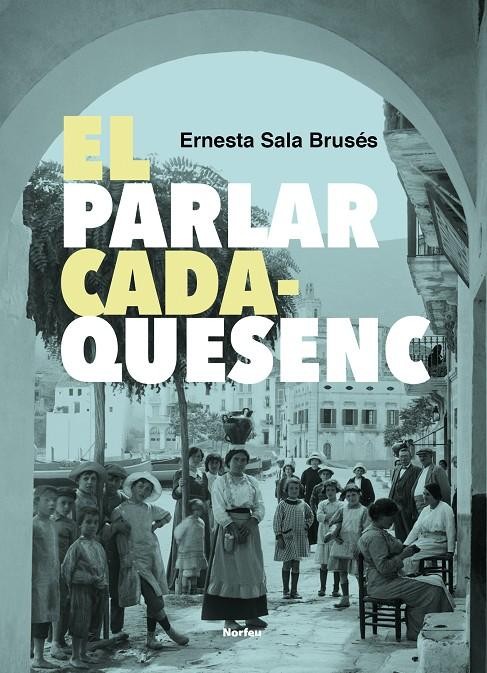
The village's influence was not confined to the sea and the natural sciences. The linguistic distinctiveness of Cadaqués became the central focus of the work of Ernesta Sala i Bruses, a philologist closely associated with the town.
The geographical isolation that Cadaqués maintained for centuries encouraged the preservation of its own form of speech, known as cadaquesenc, with vocabulary, pronunciations, constructions and traditional forms that distinguish it from other varieties of Catalan. Sala devoted her doctoral research to documenting this linguistic heritage through the study of oral testimony, local publications, historical documents and vocabulary connected with everyday and maritime life.
That work led to publications such as El parlar de Cadaqués, El vocabulari de Cadaqués and Toponímia del terme marítim de Cadaqués. These studies collected words, expressions and place names that were at risk of disappearing as the village underwent social transformation and its traditional form of speech was progressively lost. The three studies were later brought together in a volume devoted to the Cadaqués speech variety.
In this case, Cadaqués did not inspire an invention or provide specimens for zoological research: it offered a living language that needed to be heard, studied and preserved. Ernesta Sala's work turned the way the inhabitants spoke into a subject of research and a fundamental part of the municipality's cultural memory.
A place that also aroused curiosity
These examples allow Cadaqués to be viewed from a different perspective. Off its shores, Monturiol encountered the human and technical problem that would eventually drive the development of the Ictíneo. Zariquiey turned its waters into a territory for zoological observation. Ernesta Sala made its speech and place names the focus of a programme of linguistic preservation.
These are very different fields - engineering, zoology and philology - but they share the same origin: the capacity of Cadaqués to prompt questions. Its isolation, its close relationship with the sea, the distinctiveness of its natural environment and the survival of its own ways of life led some people not merely to contemplate it, but to try to understand it.
Beyond the artists, Cadaqués was also a workshop for inventions, a natural laboratory and a living archive of words. Its influence was not reflected only in paintings, poems or photographs: it can also be found in the history of underwater navigation, in studies of Mediterranean fauna and in the works that preserved one of Catalonia's most distinctive forms of speech.