A Waterfront Named After a Family
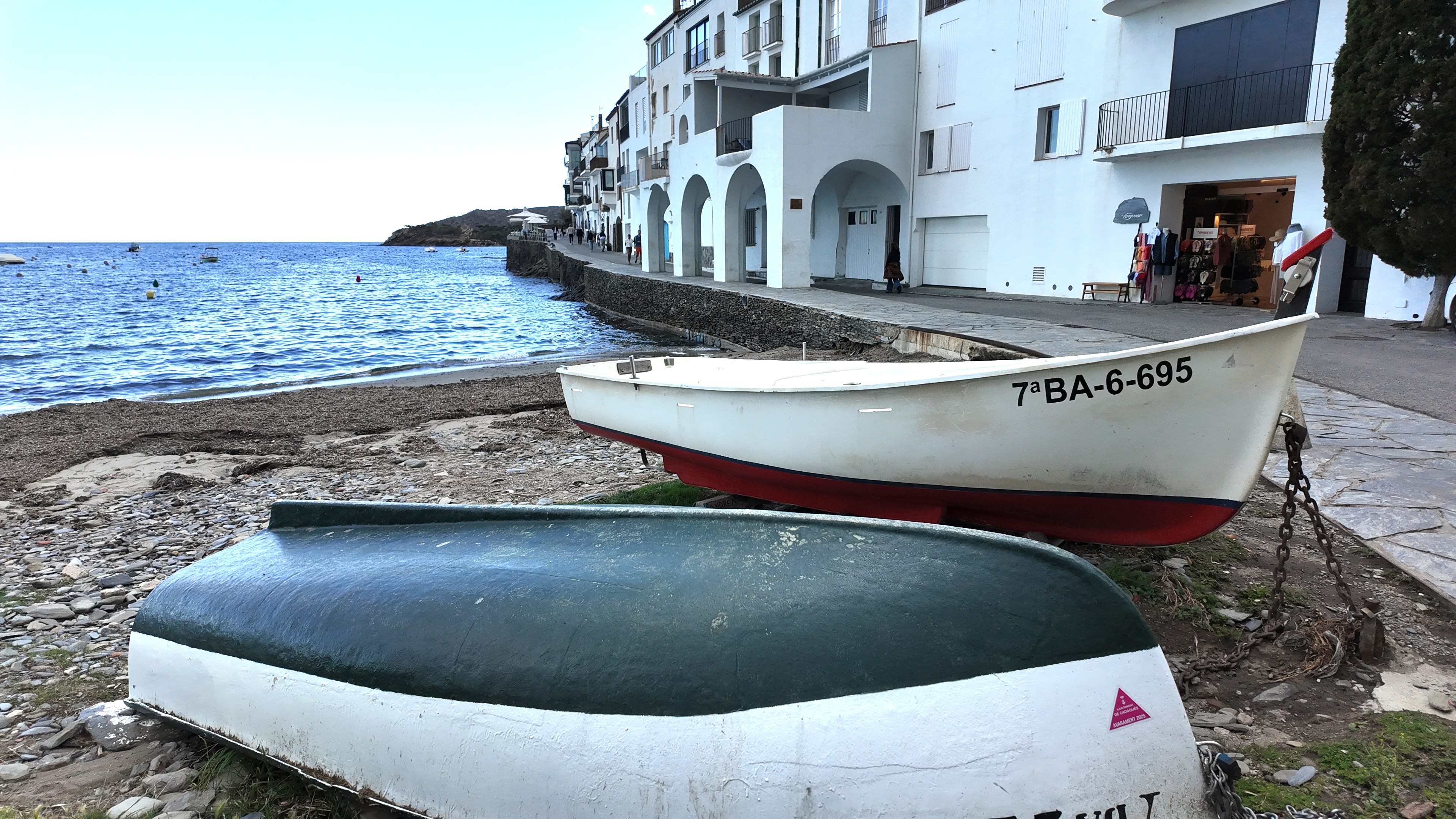
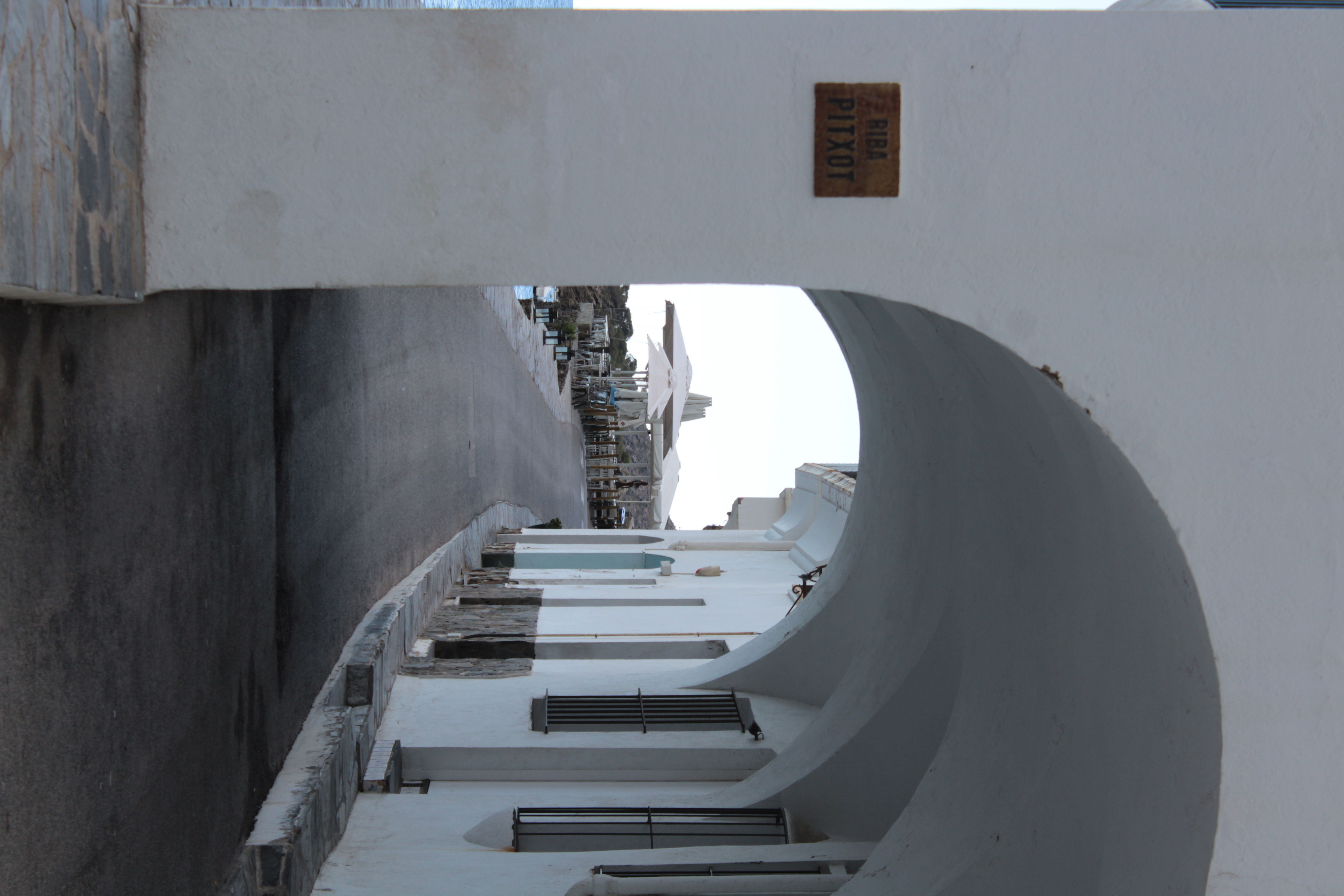
Riba Pitxot is one of the sections of Cadaqués’ seafront promenade. It is located beside Port Alguer—also known as Portdoguer—along the coastal route connecting the old town with Es Llaner and Sa Conca. At first glance, it may appear to be a short and peaceful street, but its name opens the door to a family and artistic history of remarkable significance.
The name does not appear to have originated as a tribute to the painter Antoni Pitxot, although he is now the best-known member of the family. The place name Riba d’en Pichot already appears in the titles of works by Salvador Dalí dating from around 1918 to 1920, many years before Antoni Pitxot was born in 1934. The most plausible explanation is that the waterfront became associated with the Pichot or Pitxot family, which had close ties to Cadaqués from the late nineteenth century onwards.
The place name Riba d’en Pichot appears in the titles of several early works by Salvador Dalí, including Punta es Baluard de la Riba d’en Pichot, Cadaqués, dated around 1918; Port Alguer Beach from the Riba d’en Pichot, from around 1919; and The Artist in His Studio at the Riba d’en Pichot in Cadaqués, from around 1920.
No historical municipal agreement has yet been found that explicitly identifies the particular family member to whom the street was dedicated. It is therefore more appropriate to describe the name as being connected with the family as a whole, rather than as a documented tribute to one specific person.
What Does “Riba” Mean?
In Cadaqués, the word riba does not refer only to a street. It is used to describe paths, quays or promenades located directly beside the sea. The traditional expression Riba d’en Pichot can be understood as “the Pichot family’s waterfront”.
Different forms of the name appear in documents, maps and the titles of artworks: Riba d’en Pichot, Riba d’en Pitxot, Riba Pichot and Riba Pitxot.
Pichot and Pitxot: Two Spellings of the Same Surname
The most common historical spelling of the surname was Pichot. Over time, the spelling Pitxot also became established, as it more closely reflects the Catalan pronunciation through the letter combination “tx”.
Both spellings came to coexist within the family itself. The painter Ramon is generally referred to as Ramon Pichot, while Antoni professionally used the name Antoni Pitxot. The modern street sign adopted the form Riba Pitxot.
The Pichot Family and Artistic Cadaqués
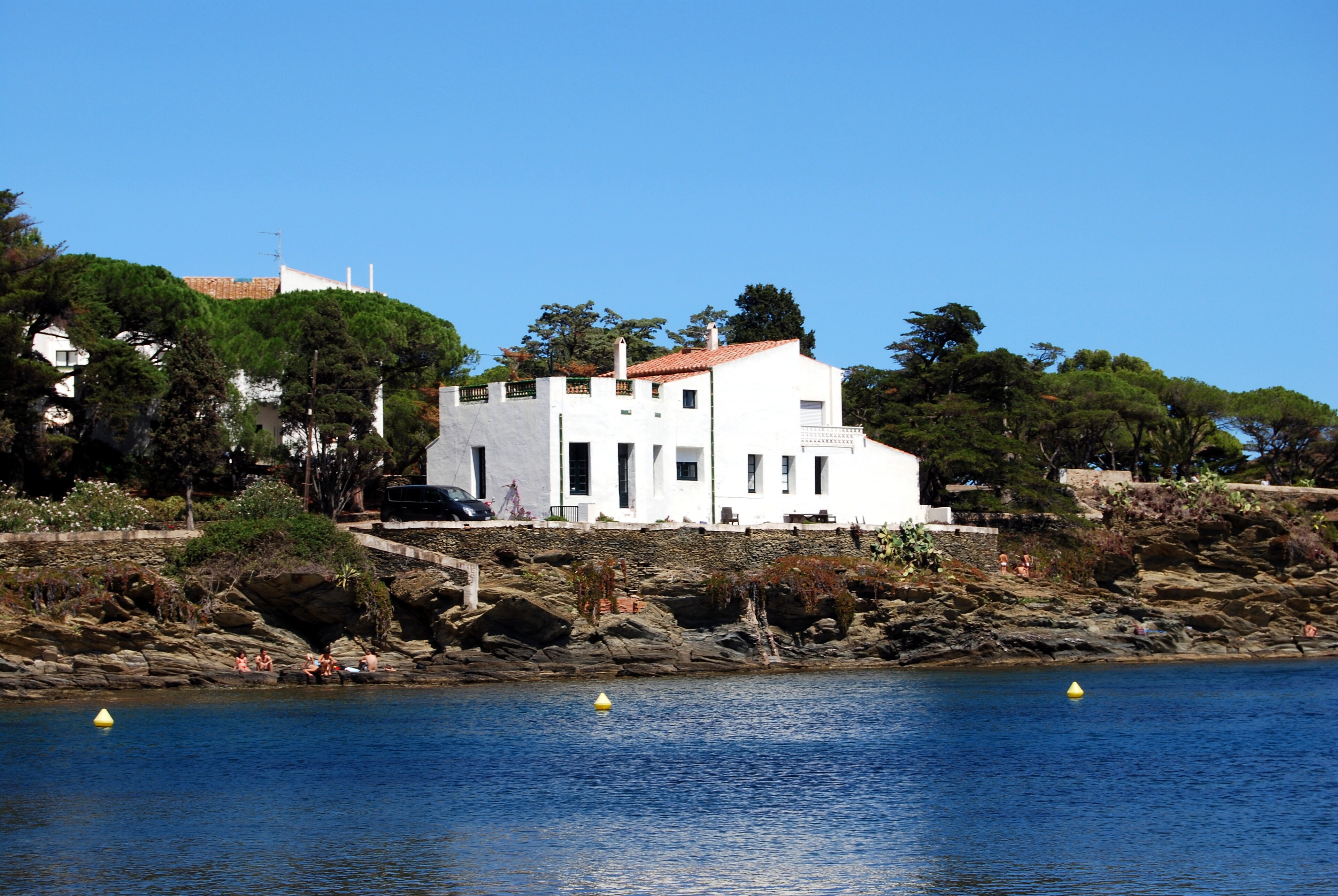
The family’s connection with Cadaqués dates back to the late nineteenth century. Ramon Pichot Mateu and Antònia Gironès Bofill built a residence there and turned Cadaqués into a regular meeting place for a family with exceptional links to art and music.
Ramon Pichot was a painter; Ricard, Lluís and Mercè were involved in music; and Maria Pichot achieved international fame as a singer under the name Maria Gay. Decades later, Antoni Pitxot continued the family’s painting tradition and maintained a close working relationship with Salvador Dalí.
The Casa dels 20
The family’s large residence at Es Sortell was known as the Casa dels 20, or “House of the Twenty”. The nickname referred to the number of relatives, guests, musicians and artists who could gather there during the summer.
It was said that they often dressed in white, that some wore their hair long and that their way of life was considered unconventional. Locally, the family name eventually became associated with visitors who had an artistic or eccentric appearance.
Port Alguer: Expansion Beyond the Town Walls
The area around Riba Pitxot forms part of one of the oldest seafronts in Cadaqués. Port Alguer developed as a suburb outside the former fortified enclosure.
The construction of the waterfront and the first porticoes of Port Alguer dates to 1683. After 1714, as the threat of corsair attacks diminished, building beyond the town walls could proceed with greater security.
The arches of Port Alguer were not merely decorative. They helped facilitate movement, enhanced the appearance of the seafront and provided shelter from the Tramuntana wind.
Salvador Dalí Painted the Riba d’en Pichot
The waterfront is directly connected with Salvador Dalí’s earliest artistic years. The catalogue raisonné of the Gala-Salvador Dalí Foundation contains several works whose titles include the place name.
Ramon Pichot was also an important artistic influence on the young Dalí. His Impressionist painting and international career offered the adolescent artist a nearby example of a life devoted to art.
Stories and Eccentricities
The musical members of the family organised concerts for geese and turkeys. Inspired by Venice, they also held concerts aboard boats.
Historical research attributes the arrival of the first motor car in Cadaqués to the painter Ramon Casas, during a visit to the Pichot family.
Near Riba Pitxot stands a sculpture dedicated to Lídia Noguer, commonly known as Lídia of Cadaqués.
Port Alguer and Its Maritime Past
The small cove opposite the waterfront is known as both Port Alguer and Portdoguer. For centuries, it was associated with boats, fishing and maritime work.
Barrels were submerged along the shore so that their wooden staves—the dogues—would swell and seal the joints before the barrels were filled with wine. This practice has been linked to the popular name Portdoguer.
What Do We Know for Certain?
Documented Facts
- The close relationship between the Pichot family and Cadaqués from the late nineteenth century onwards.
- The use of the place name Riba d’en Pichot in works by Dalí dating from 1918, 1919 and 1920.
- The modern municipal form Riba Pitxot.
- The public function of the Port Alguer porticoes from 1683 onwards.
Not Yet Located
- The exact date on which the Town Council officially adopted the name.
- A municipal agreement specifying the particular person to whom the street was dedicated.