
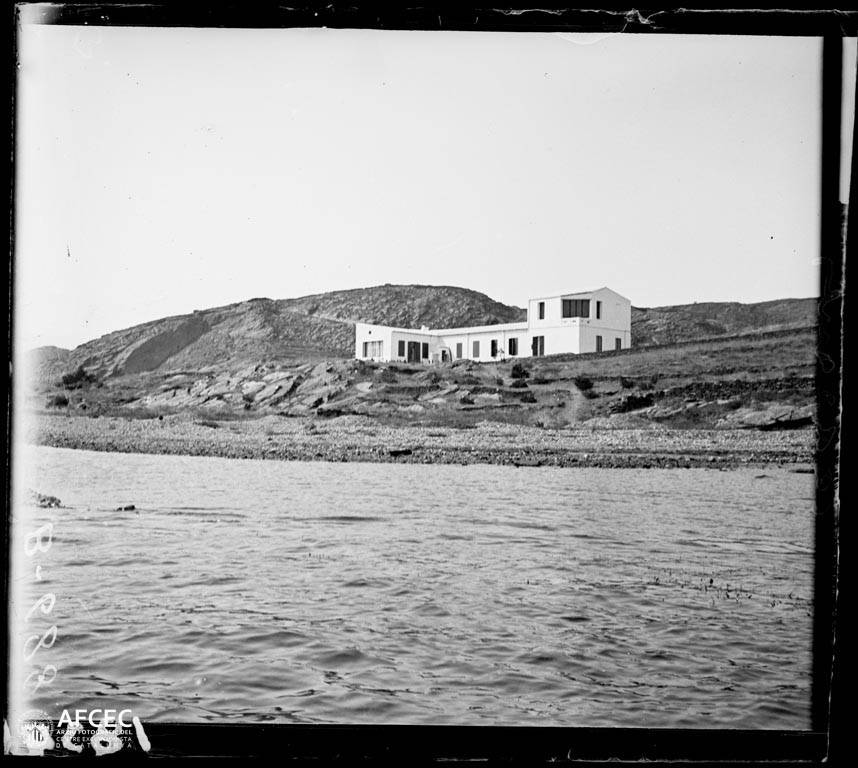
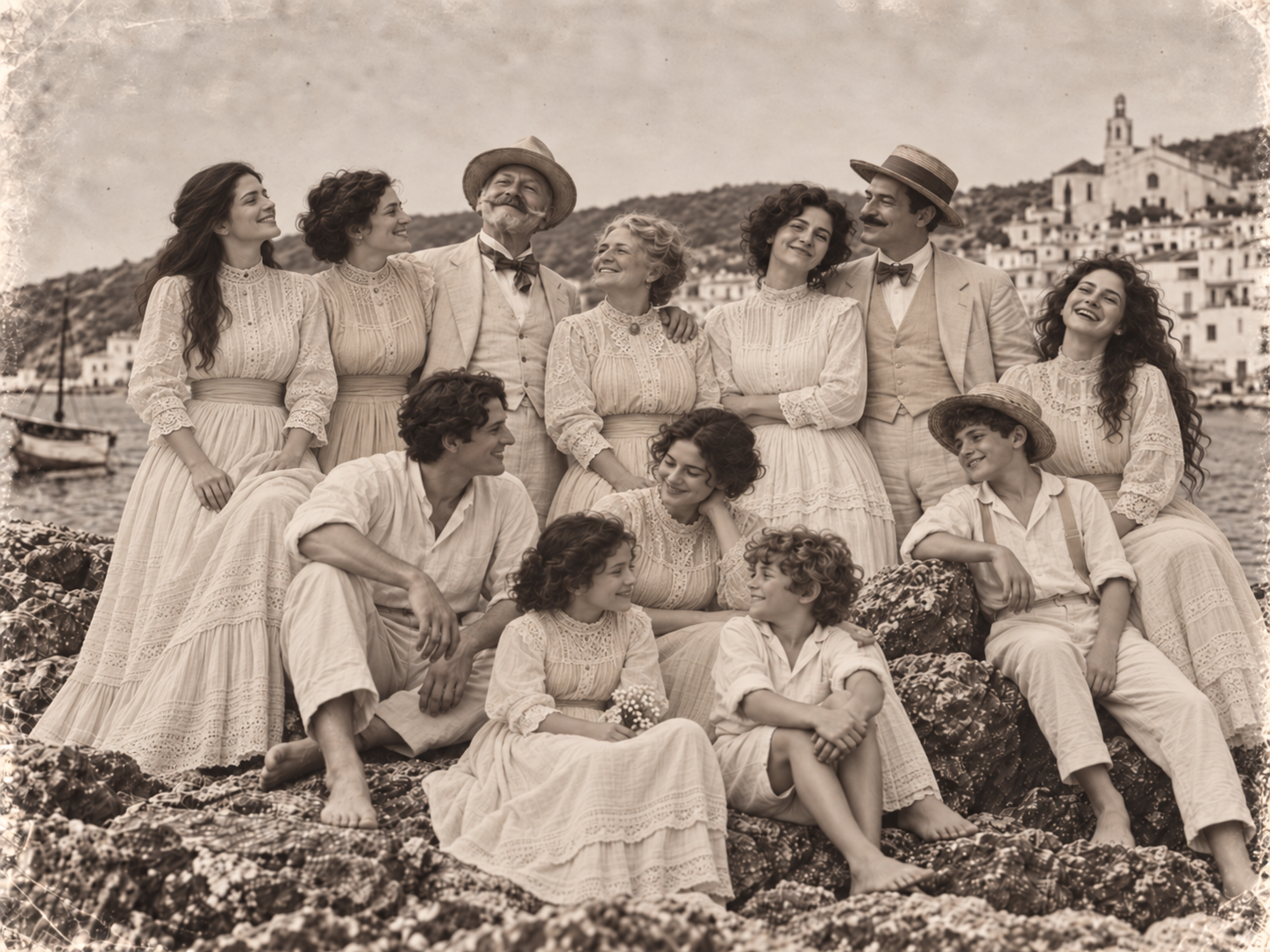
The story of the Pichots in Cadaqués began in the late 19th century, when Ramon Pichot Mateu, a businessman, and Antònia Gironès Bofill, who had family ties to Cadaqués, decided to settle there for the summers. In 1899 they built the family house on the Es Sortell headland, between Es Llaner and Sa Conca. That house would become one of the great artistic meeting points of the Cadaqués of the time.
Antònia Gironès: the matriarch
In this story, Antònia Gironès Bofill deserves a special place.
She was a determined woman with a great sensitivity towards the arts. Her initiative was key to the family having a space of its own in Cadaqués where her children could develop their different vocations.
The Es Sortell headland, at first a rocky, bare piece of land, was transformed over the years into the family home and a meeting place where music, painting, friendship and social life were part of everyday life. A source from the Museu de l'Empordà notes precisely Antònia's wish that the space should let her children pursue their various artistic activities.
It is no surprise, then, that in Cadaqués the family became popularly known as the Pitxots, and that the Sortell house was so distinctive that the neighbours called it “the house of the 20”.
Seven children, different paths within art
Ramon Pichot Mateu and Antònia Gironès had seven children. Among them lived very diverse artistic disciplines.
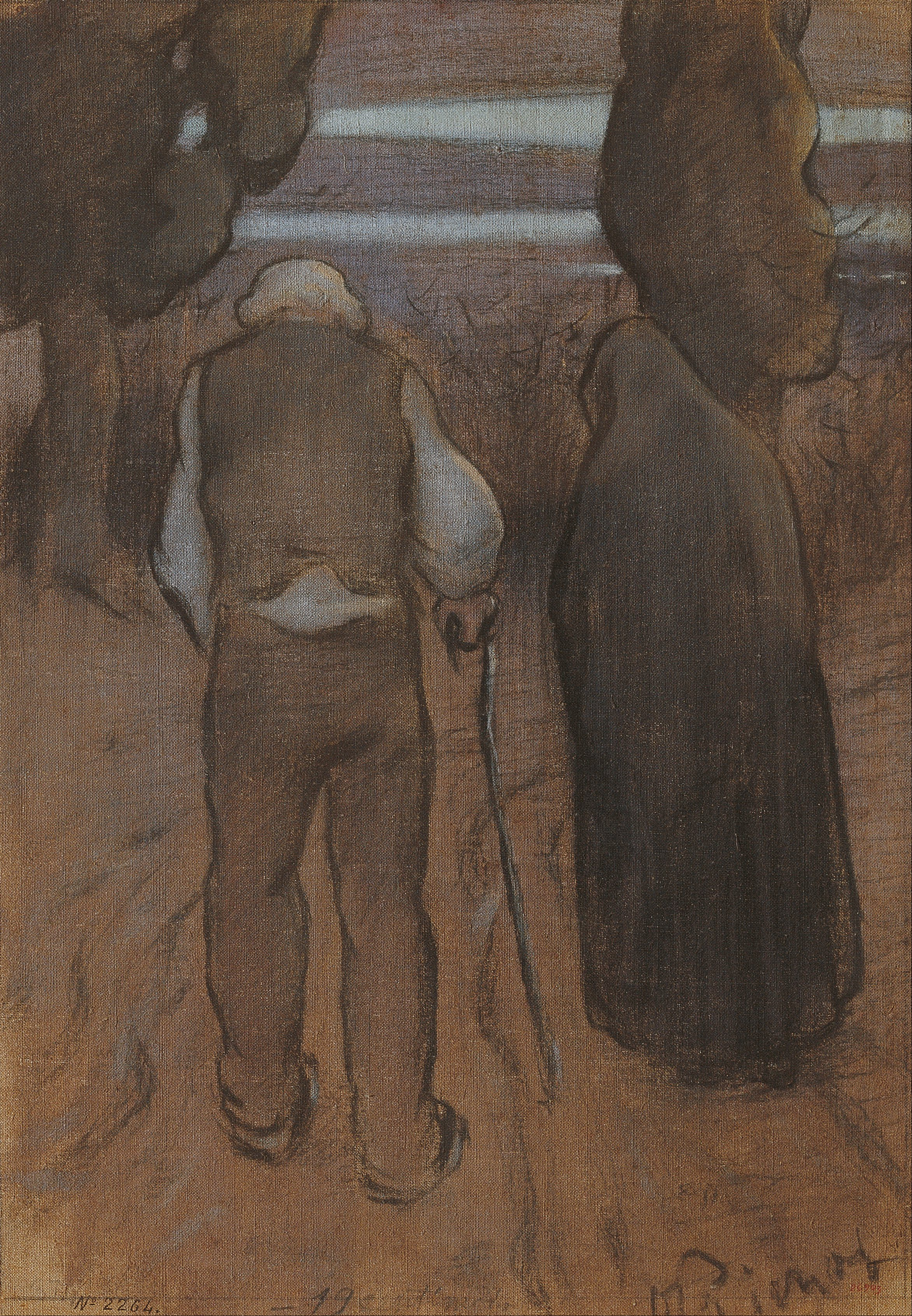
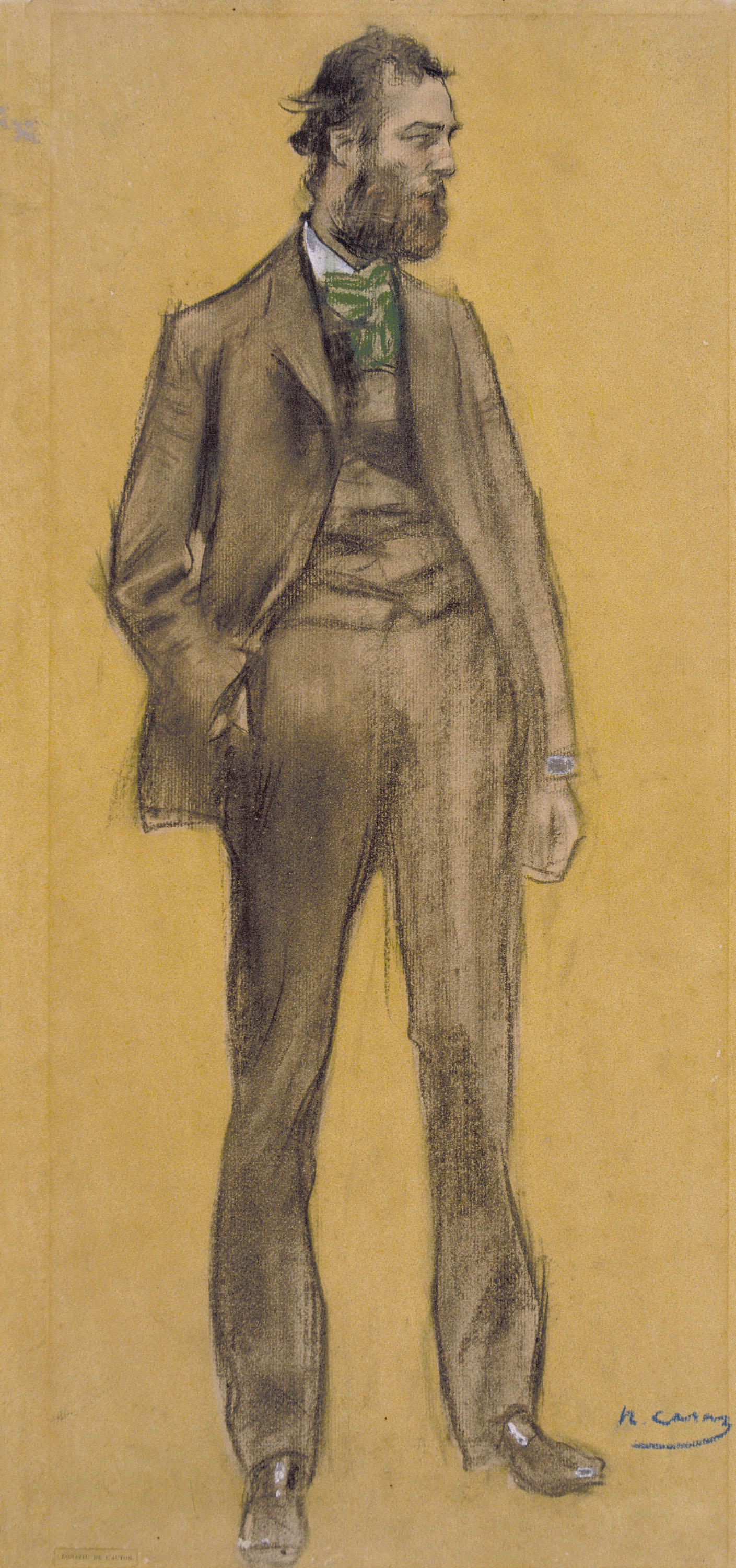
Ramon Pichot i Gironès was a painter. Trained between Barcelona and Paris, he belonged to the Colla del Safrà and was friends with artists such as Picasso, Rusiñol and other figures of the Catalan artistic renewal. Cadaqués was one of his great landscapes of inspiration. In 1900 he spent months there painting landscapes and seascapes that he would later exhibit in Barcelona.
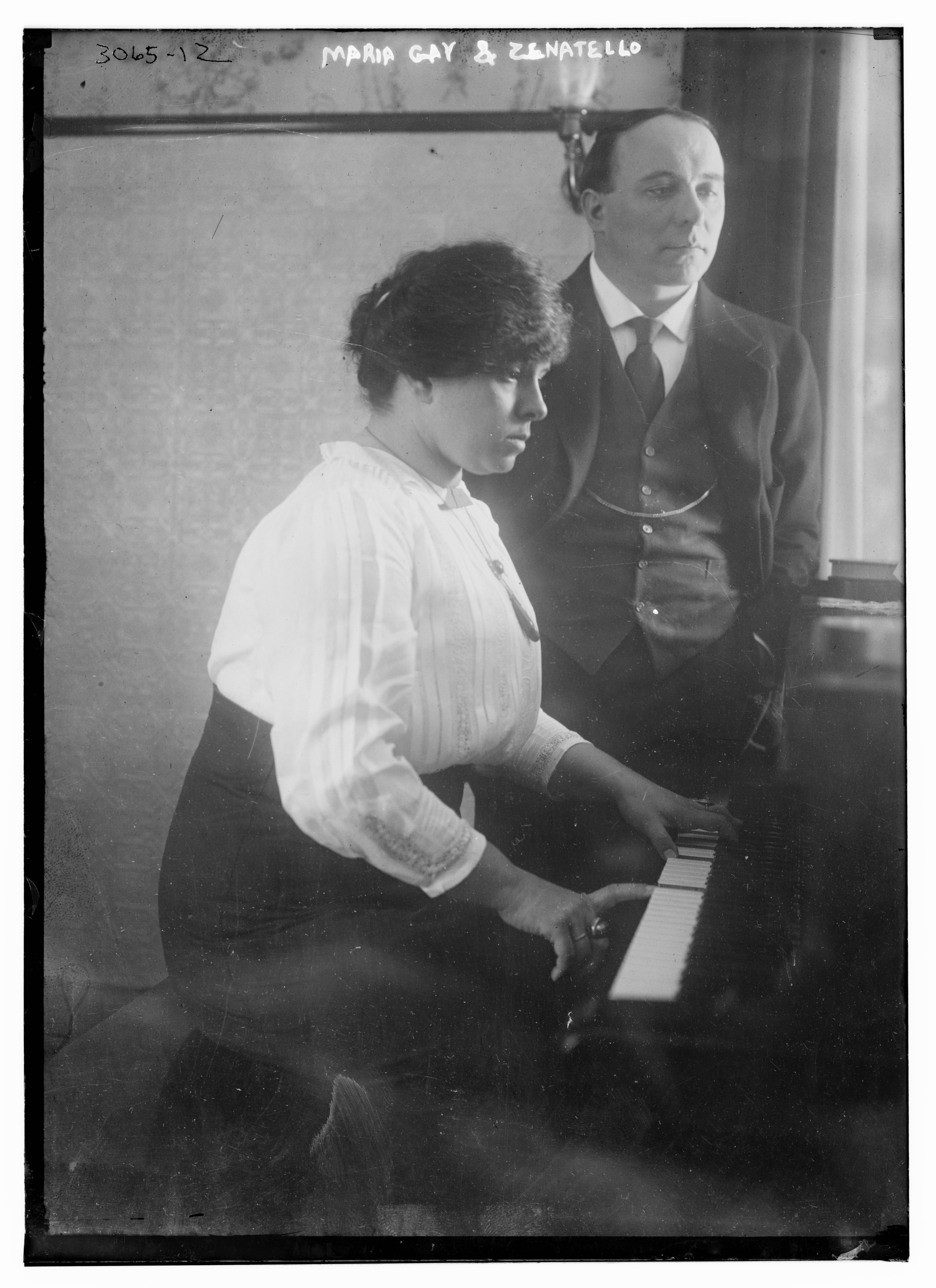
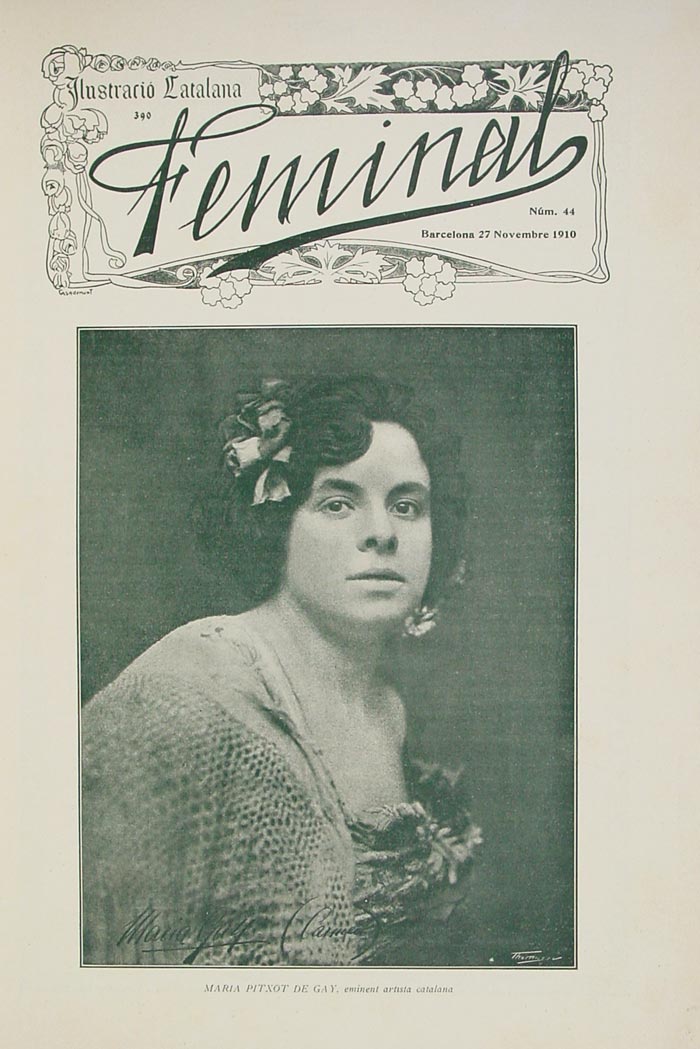
Maria Pichot i Gironès, known internationally as Maria Gay, had an important career as an opera singer. Her path took her to perform on various European and American stages, and made the name Pichot known in the world of music too.
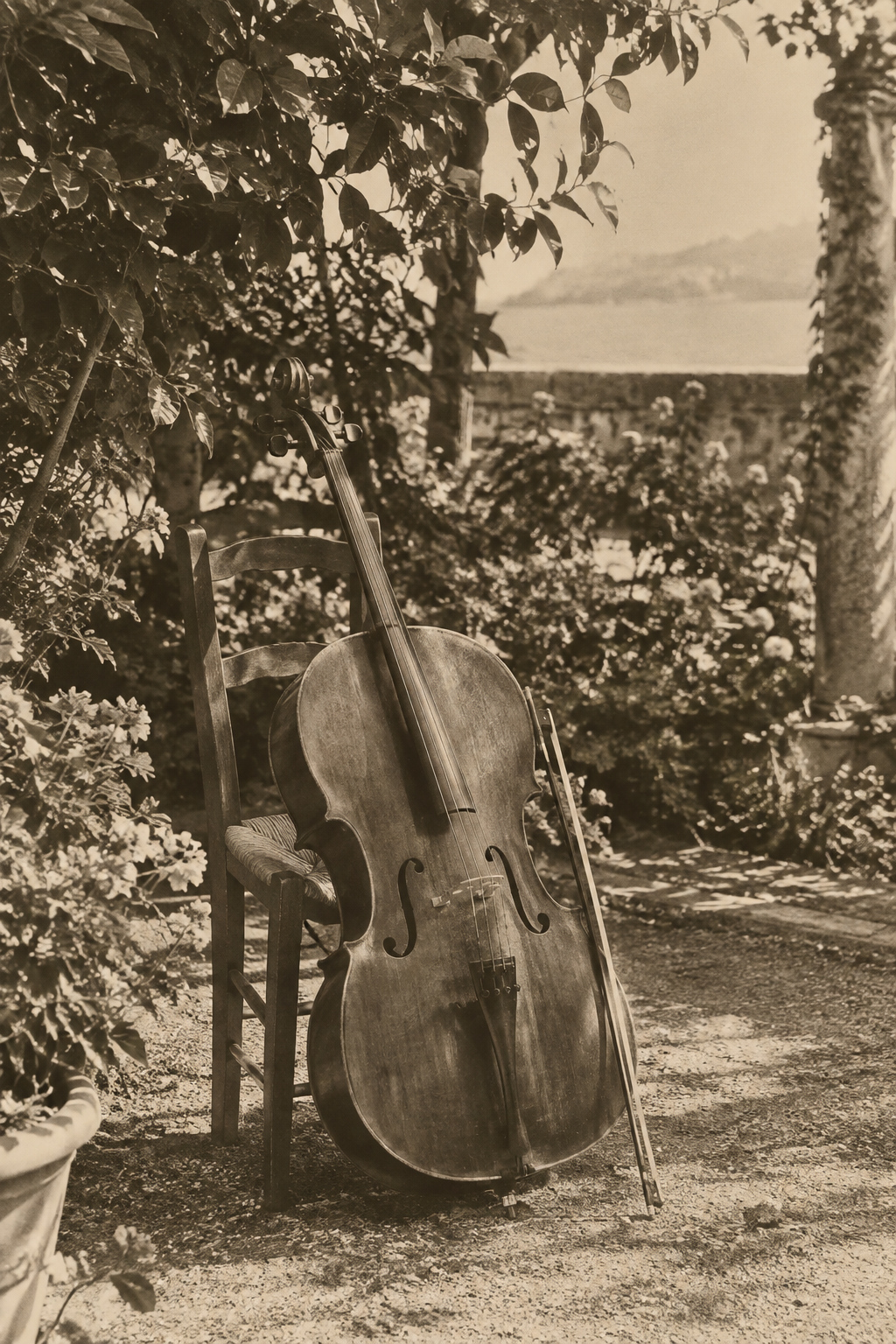
Lluís Pichot i Gironès was a violinist, while Ricard Pichot i Gironès was a cellist and a pupil of Pau Casals. Music therefore carried extraordinary weight within the family.
Mercè Pichot i Gironès was a pianist and was married to the writer Eduard Marquina. In this way, literature also became part of the family's cultural circle.
Josep Pichot i Gironès, known in the family as Pepito, was involved in garden design and landscaping. His work broadens even further the range of disciplines that found a place within the Pichot family.
The seventh sibling, Antoni Pichot i Gironès, died young in Cuba.
So within a single family lived painting, singing, piano, violin, cello and landscaping.
A house open to artists
The Es Sortell house soon went beyond the strictly family sphere. The Pichots' summers brought together the seven siblings, their partners, friends and numerous artists.
Figures such as Pablo Picasso, Manuel de Falla, Andrés Segovia, Santiago Rusiñol, Manolo Hugué, Pau Casals, Enric Granados and Federico García Lorca passed through that space, among many others.
The Pichot house thus became a place where artists from different disciplines met, talked, played music, painted and shared experiences.
And that atmosphere had consequences that would reach far beyond the family itself.
The Pichots and Salvador Dalí
The relationship between the Pichots and the Dalí family was especially close.
Salvador Dalí's father, Salvador Dalí i Cusí, was a friend of Josep “Pepito” Pichot. Through that friendship, the Dalí family began to frequent Cadaqués and came into contact with the Pichot circle.
In 1910, when Salvador Dalí was only six, he crossed paths for the first time with Pablo Picasso in the garden of the Pichot house above Sa Conca. Picasso, who was twenty-nine, had come to Cadaqués at Ramon Pichot's invitation. Anna Maria Dalí would recall it so years later.
The Pichots' influence on Dalí was not limited, however, to these encounters.
Maria Gay and the discovery of Ramon Pichot
In the summer of 1916, Dalí's parents sent the young Salvador to spend a while at the Molí de la Torre, near Figueres, owned by Maria Pichot. The idea was for him to recover from an illness.
There, Dalí came into contact with the works of Ramon Pichot, Maria Gay's brother, and through them discovered Impressionism and Post-Impressionism. Dalí himself would recall that experience as an important influence on his artistic training.
The relationship between Dalí and the Pichots was therefore twofold: on one hand, it brought him closer to the world of Cadaqués and, on the other, Ramon Pichot's painting was part of the early experiences that helped awaken the future painter's artistic vocation.
The second generation: Ramon Pichot the Younger and Antoni Pitxot
The artistic tradition did not end with the seven siblings.
Ricard Pichot i Gironès, the cellist, had three children: Isabel, Ramon Pichot i Soler and Antoni Pichot i Soler. Ramon, known as Ramon Pichot the Younger, was also a painter and developed a career of his own, with exhibitions in Barcelona, Madrid, Bilbao, San Sebastián and also in the United States.
His brother Antoni Pitxot would also follow the path of painting.
Born in Figueres in 1934, Antoni settled for good in Cadaqués in 1964. There he found in the stones and forms of the Cap de Creus landscape an extraordinary source of inspiration. His compositions turned stones and natural elements into figures, landscapes and allegorical forms.
His friendship with Salvador Dalí was especially close. Dalí entrusted him with the project of the Dalí Theatre-Museum, and Antoni Pitxot was its director for years.
A lineage that is part of the history of Cadaqués
The story of the Pichots is, ultimately, far more than the story of a few artists.
It is the story of a family that arrived in Cadaqués when the town was still far from becoming the artistic and tourist destination we know today. A family that made its home a space open to culture and that, generation after generation, helped keep alive the bond between Cadaqués and the arts.
Antònia Gironès, Ramon Pichot, Maria Gay, Josep, Mercè, Lluís and Ricard; then Ramon Pichot the Younger and Antoni Pitxot: each one, from their own discipline and personality, added a piece to a story that is still part of the cultural identity of Cadaqués.
And perhaps it is precisely this sum of talents, rather than the figure of a single artist, that makes the Pichots one of the most singular families in the modern history of Cadaqués.