
From Cadaqués we can organise day trips that combine nature, heritage, art, history and food, and return in the evening to keep enjoying the calm of the village and its bay.
Sant Pere de Rodes and Port de la Selva
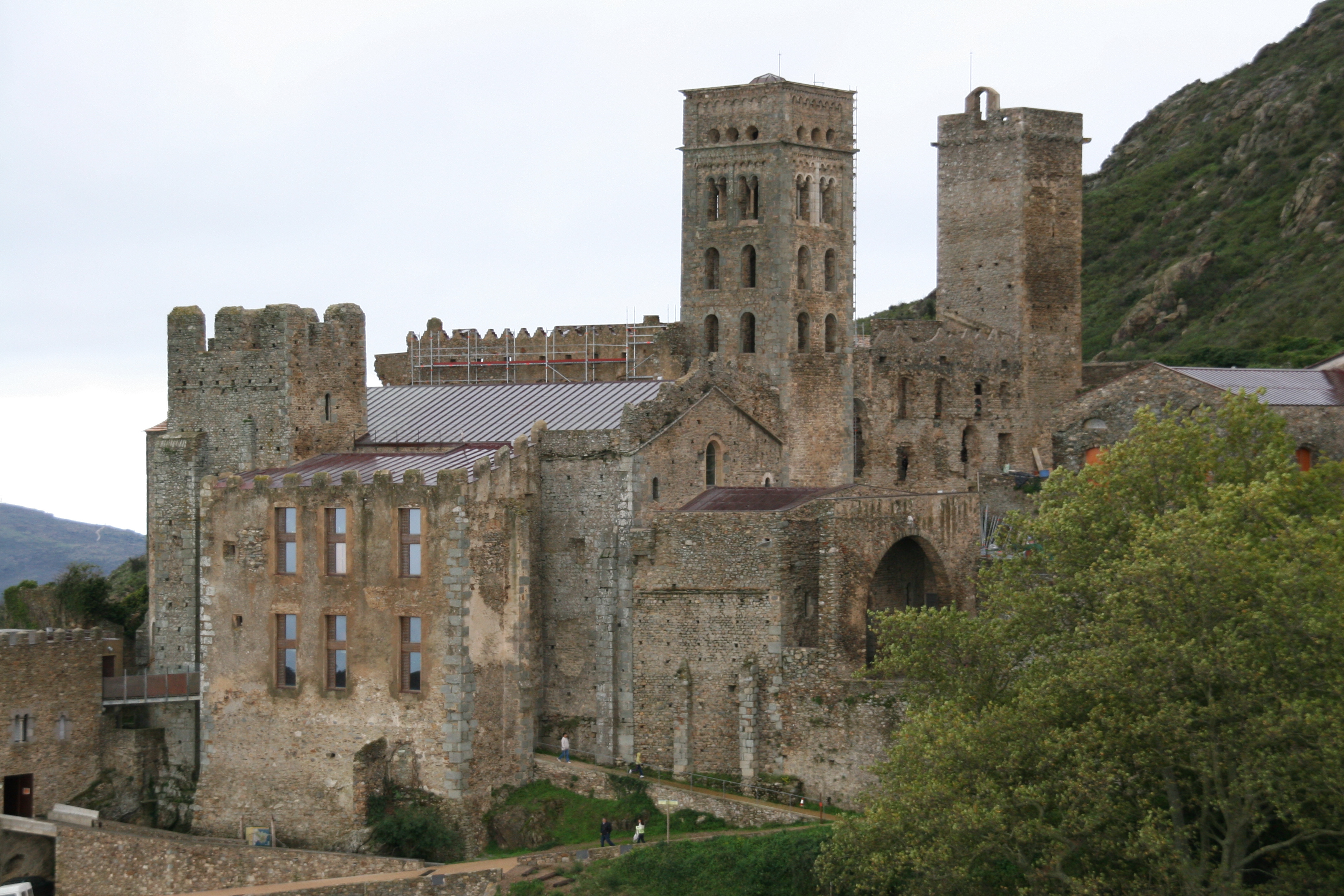
One of the essential trips from Cadaqués is a visit to the monastery of Sant Pere de Rodes, set on the Verdera range, in one of the most spectacular landscapes of the Alt Empordà.
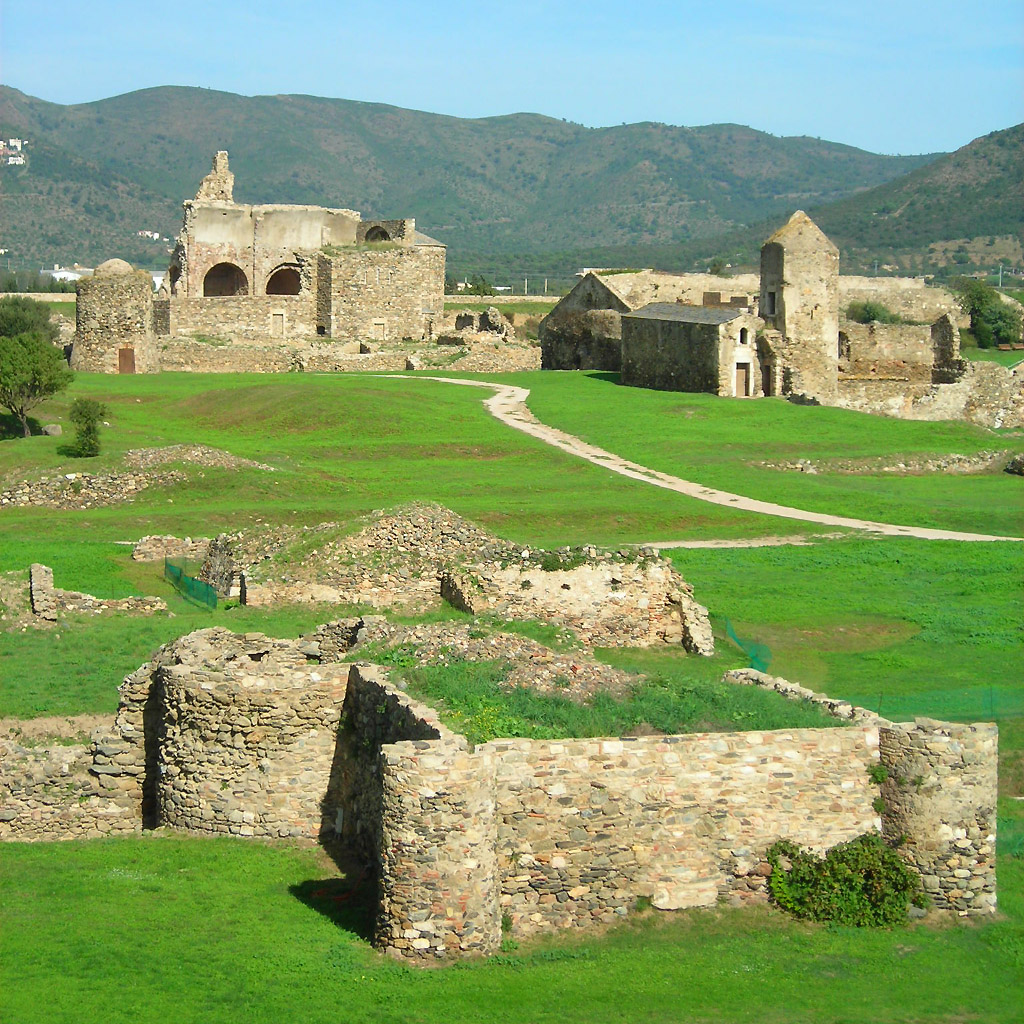
Regarded as one of the great jewels of Catalan Romanesque art, the monastery is part of a monumental complex that reveals different aspects of medieval society. Nearby we also find the remains of the old village of Santa Creu de Rodes and, higher up, the castle of Sant Salvador de Verdera.
Its privileged position offers magnificent panoramic views over the coast, Port de la Selva and the northern Cap de Creus.
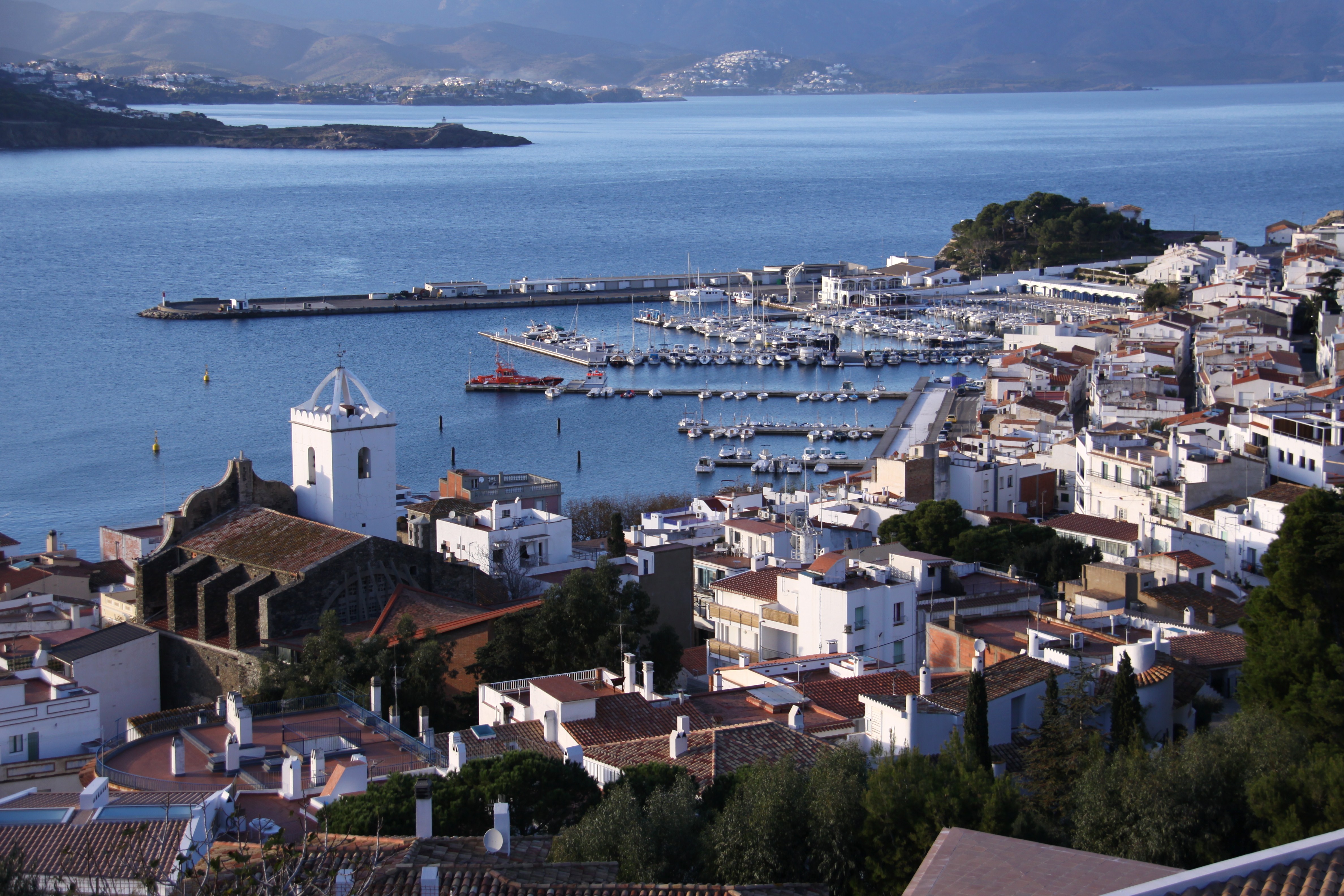
We can round off the day by going down to Port de la Selva, strolling through its seafaring quarter, discovering the harbour and enjoying a meal by the sea before heading back to Cadaqués.
Roses: history by the sea
On the other side of the Cap de Creus peninsula we find Roses, a town with a past going back many centuries.
The Citadel of Roses is a large archaeological site where remains from different periods and cultures coexist. Walking through it helps us understand the strategic importance this bay has had throughout history.
On the tip of la Poncella, the castle of la Trinitat overlooks the entrance to the Gulf of Roses. Built in the 16th century as a defensive fortress, its elevated position provides magnificent views over the coast.
The visit can be combined with a walk along the seafront promenade, the fishing port and the centre of Roses, or with a meal devoted to fish and the seafaring cuisine of the Empordà.
Castelló d'Empúries and the Aiguamolls de l'Empordà
Leaving behind the rocky landscape of Cap de Creus, we reach the Empordà plain, where the land changes completely.
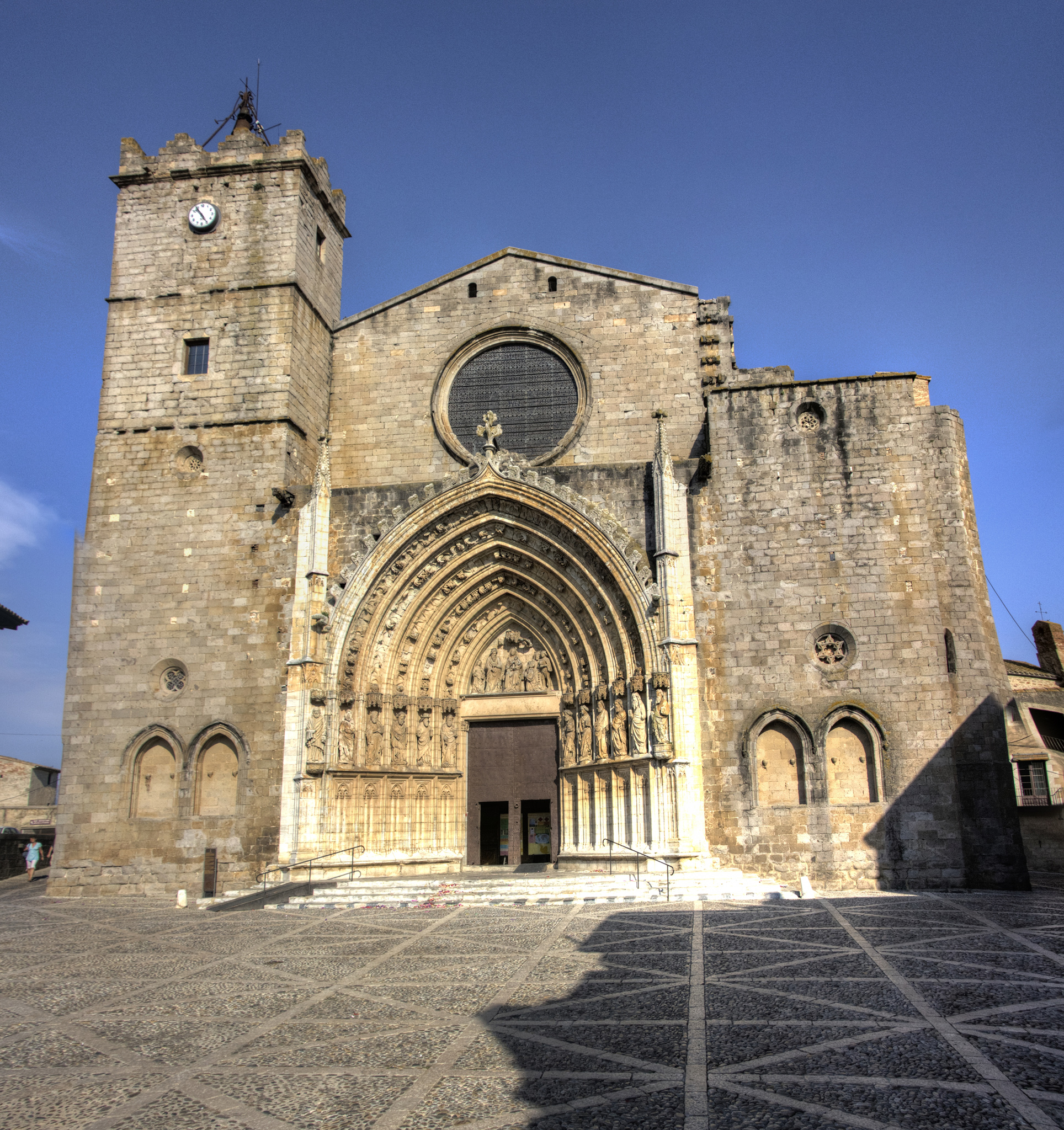
Castelló d'Empúries still preserves the mark of the time when it was the capital of the county of Empúries. Walking through its streets we can discover medieval buildings, old convents and the imposing basilica of Santa Maria.
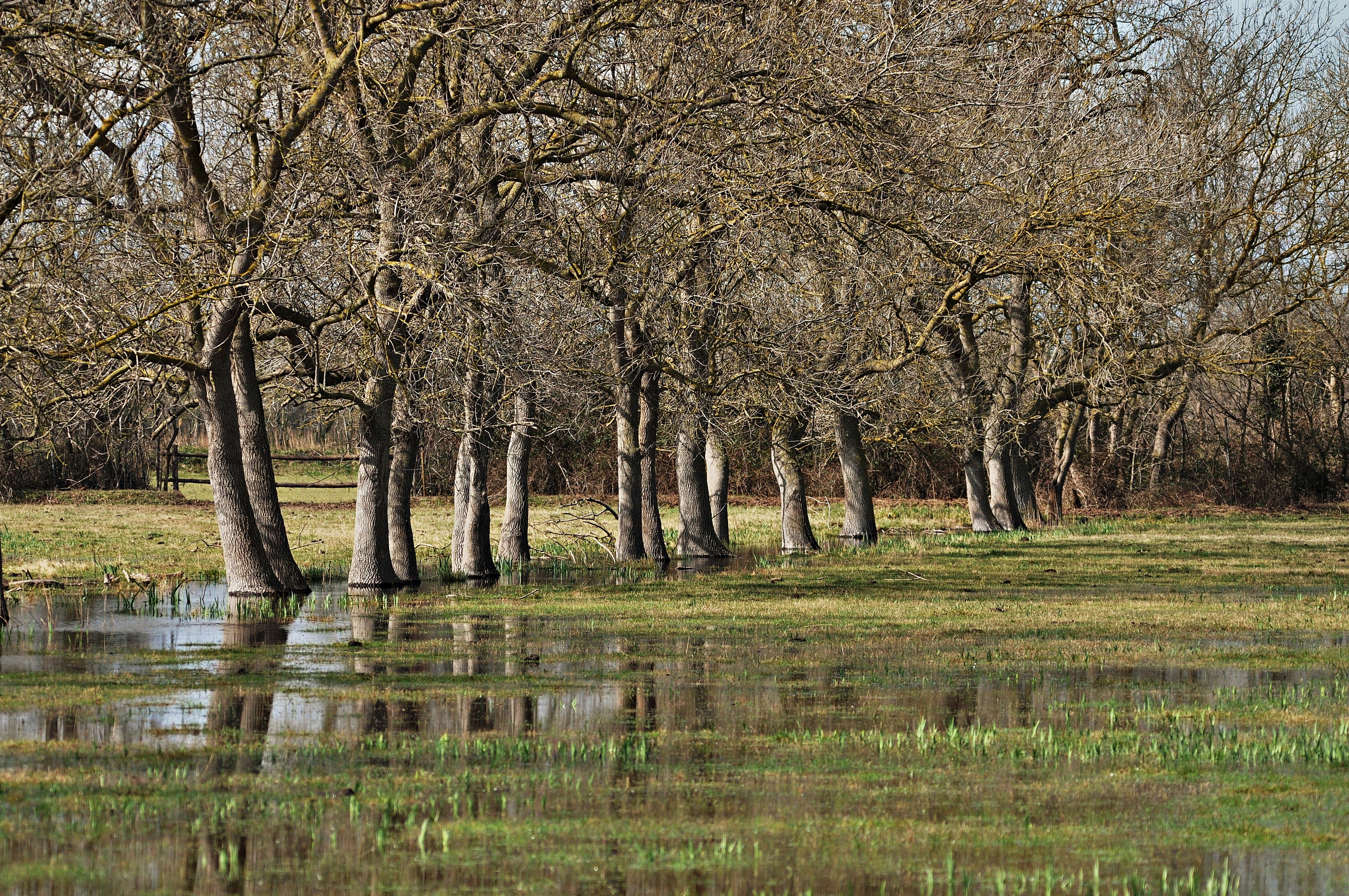
Very close by lies the Aiguamolls de l'Empordà Natural Park, one of the most important wetlands in Catalonia.
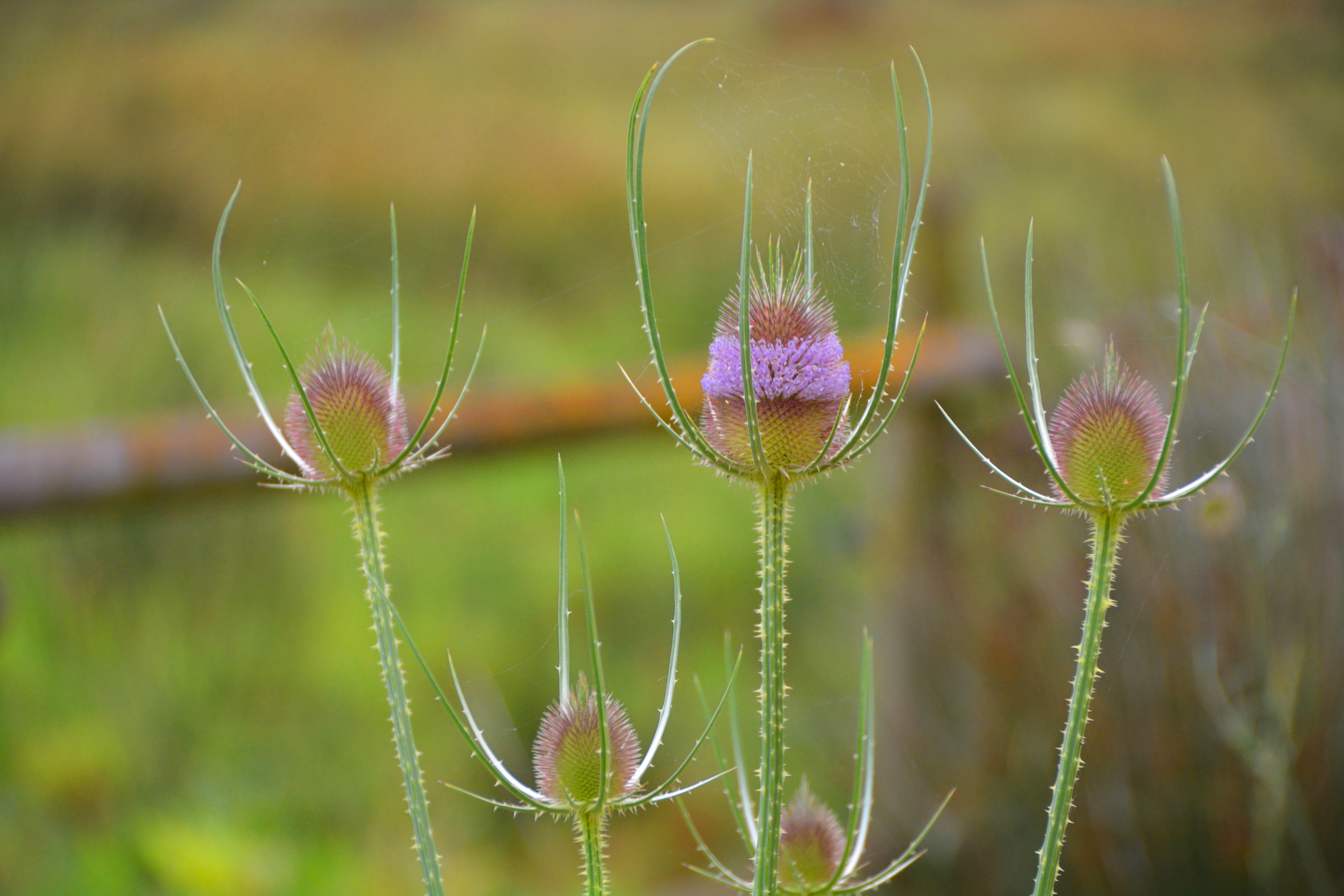
Lagoons, fields, water meadows, canals and floodable areas form a landscape especially rich in wildlife. The park has various walking and cycling routes, as well as hides from which to observe numerous bird species.
It is an especially attractive trip in spring and autumn, coinciding with the migration periods of many birds.
Figueres, beyond Dalí
Figueres is one of the most complete cultural trips we can make from Cadaqués.
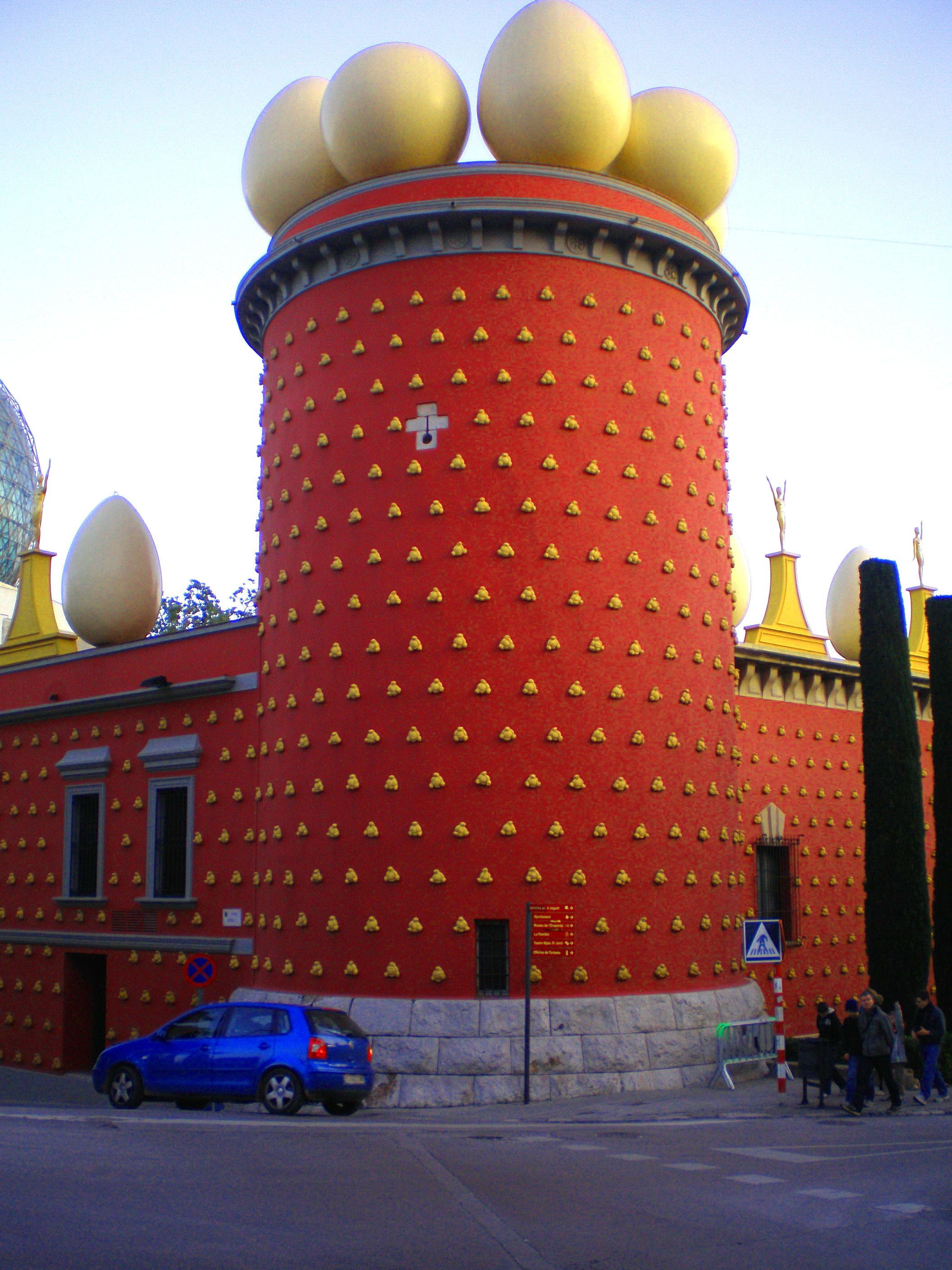
The city is inevitably linked to Salvador Dalí. The Dalí Theatre-Museum, conceived by the artist himself, is one of the most singular museums in Catalonia and a key piece for understanding his creative universe.
But Dalí's relationship with Figueres goes far beyond the museum. His birthplace, the church of Sant Pere, the Rambla and other spots in the city are part of his childhood and youth.
Figueres also offers other interesting visits, such as the Toy Museum of Catalonia, the Empordà Museum or the monumental castle of Sant Ferran, one of the most impressive military fortresses in the country.
For those staying in Cadaqués, visiting Figueres is also a way of better understanding Dalí's territory: Figueres, Cadaqués and Portlligat are three essential settings of his biography.
Peralada: history, gardens and wine tradition
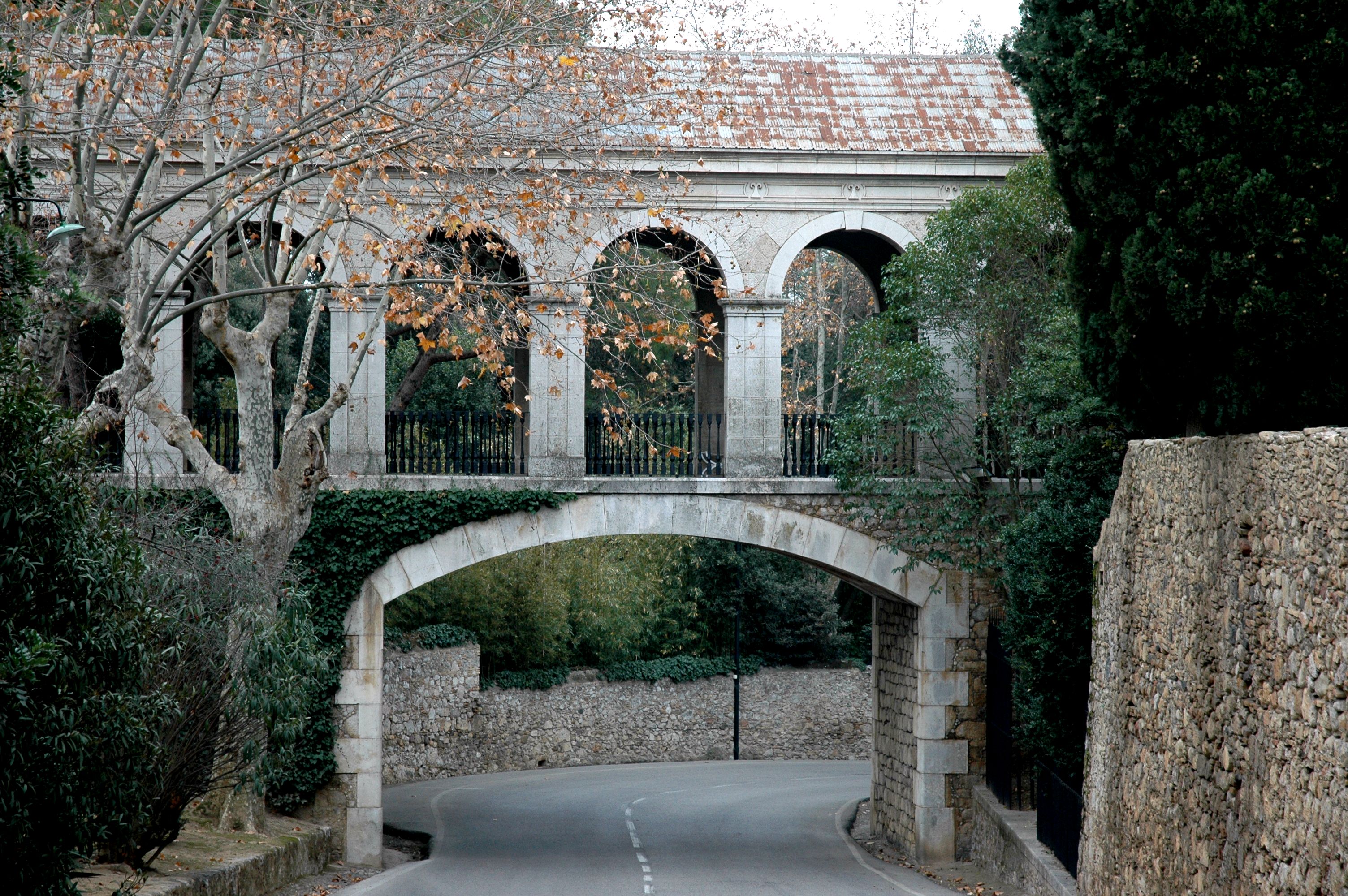
Peralada is a good option for a relaxed trip, especially for anyone wishing to combine heritage, landscape and wine culture.
Its old quarter preserves streets and buildings that recall the town's medieval past. Among its most interesting spaces are the Romanesque cloister of Sant Domènec and the monumental setting of the castle of Peralada.
The town's history is also closely tied to the cultivation of vines and to winemaking, a tradition that is part of the landscape and culture of the Empordà.
A walk through the village, a cultural visit and a leisurely meal make Peralada a very pleasant getaway from Cadaqués.
L'Escala, Sant Martí d'Empúries and the ruins of Empúries
A little further south we find one of the most interesting historical trips on the Costa Brava.
The archaeological site of Empúries is an exceptional place: right by the Mediterranean we can walk among the remains of the ancient Greek and Roman cities.
The first Greek traders settled in this area during the 6th century BC. Centuries later, Empúries would also become one of Rome's gateways to the Iberian Peninsula.
The visit lets us wander through streets, houses, temples, mosaics and public spaces that recount centuries of history in a privileged setting by the sea.
From the site we can continue on foot to the small medieval centre of Sant Martí d'Empúries, with its stone streets and terraces facing the Mediterranean.
And to round off the day, we can head to l'Escala, a seafaring town especially known for its fishing tradition and its anchovies.
Another Empordà a short distance from Cadaqués
One of the special features of this area is the diversity of landscapes and heritage we can find within relatively short distances.
The sea, the wetlands, the vineyards, the medieval villages, the monasteries, the archaeological sites and the universe of Salvador Dalí are all part of one and the same territory.
Cadaqués is also a good base from which to discover the diversity of the Empordà without giving up the pleasure of returning each day to the same place.
We can set out in the morning, explore villages, landscapes and places steeped in history, and return in the evening to rediscover the calm of Cadaqués and its bay.