
Concerts for geese and turkeys
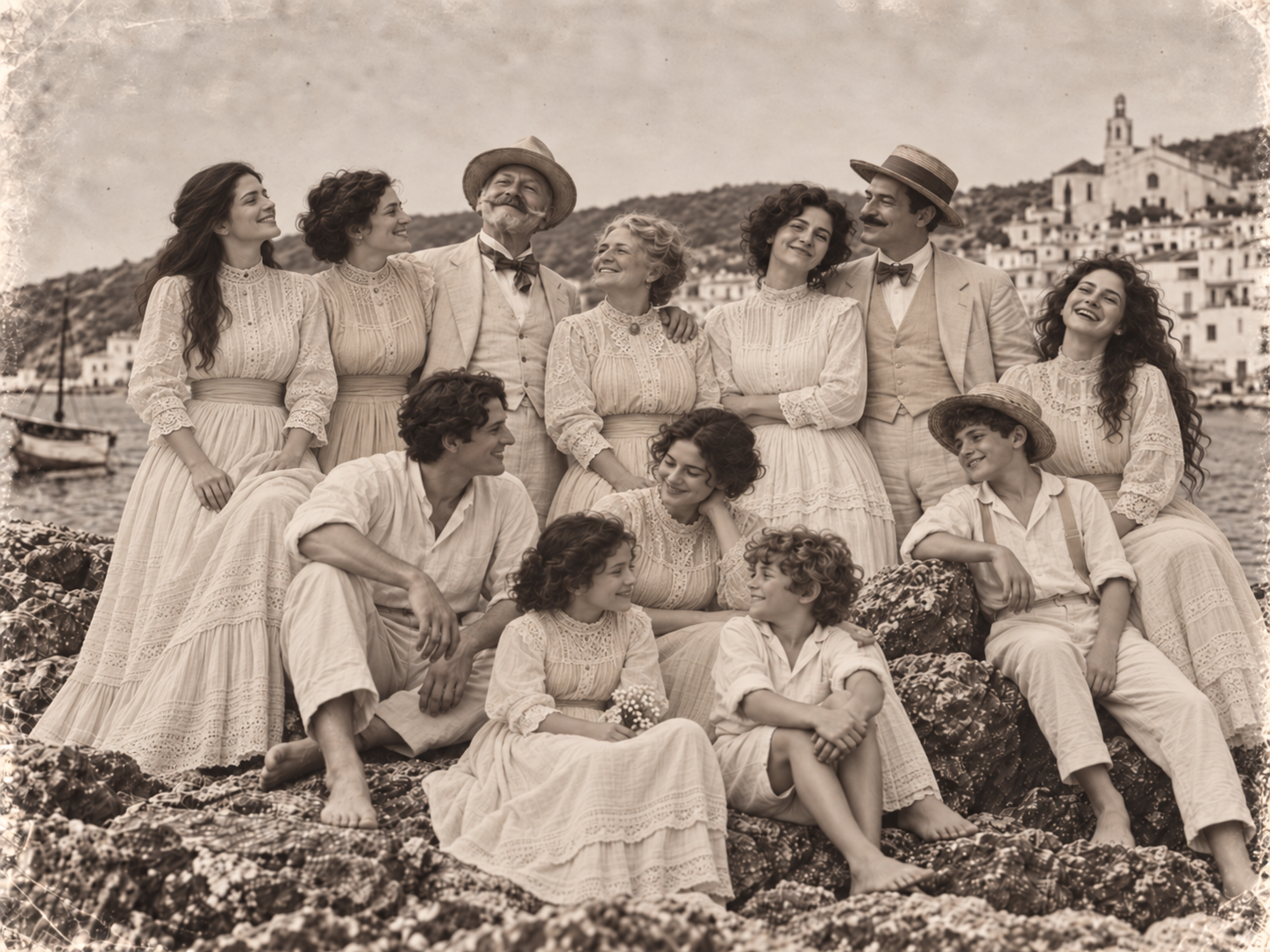
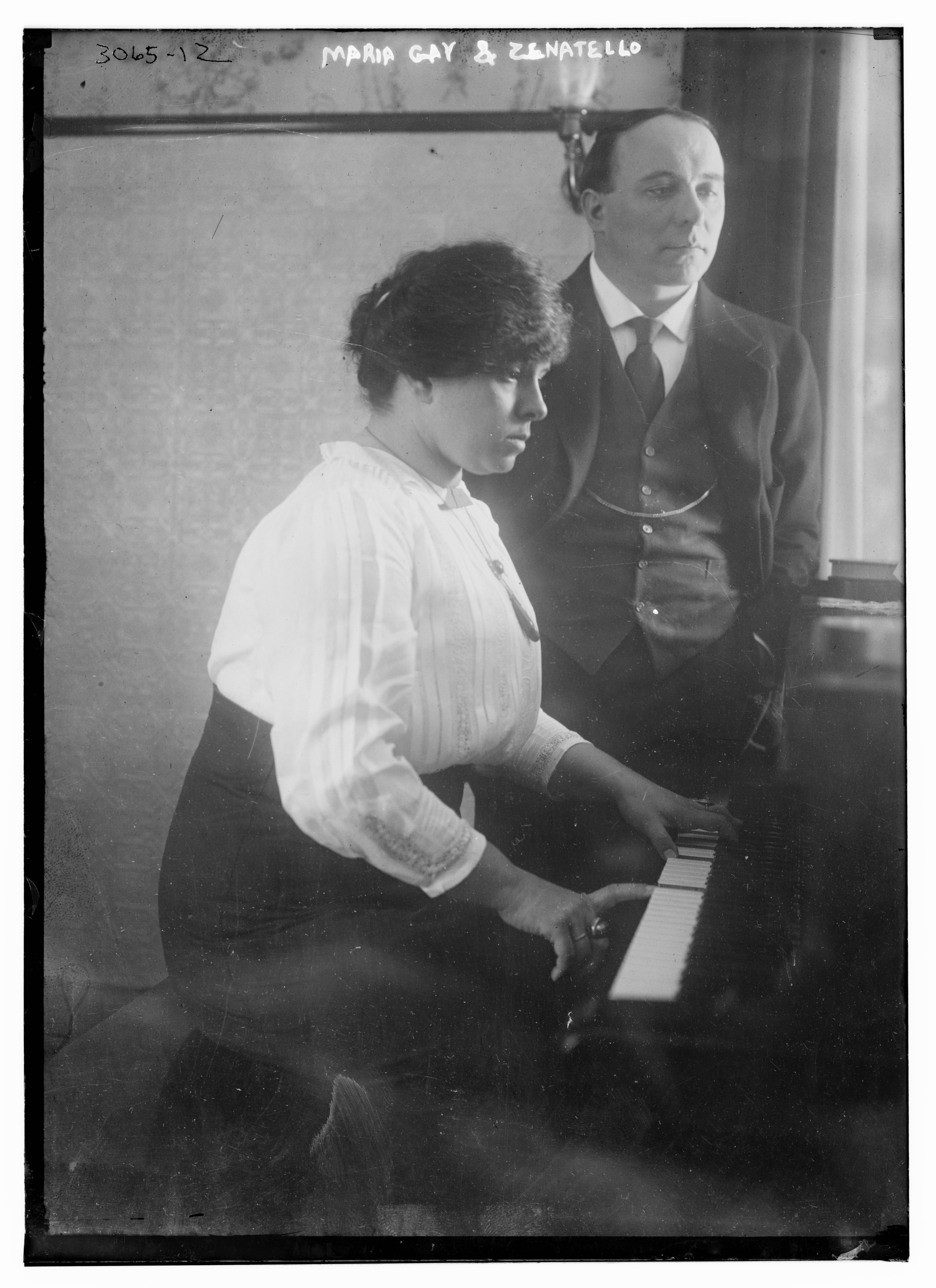
One of the most picturesque stories associated with the Pitxot family says that the musician brothers held concerts on the estate for geese and turkeys. The anecdote fits the family’s eccentric and artistic reputation: they were said to consider those animals better listeners than some of the people who visited the house.
The scene captures the atmosphere of Sos Pichot perfectly: music, guests, gardens, animals and a way of life that was highly unconventional in early twentieth-century Cadaqués.
The first motor car to reach the village
Another story connected with the Pitxots credits the painter Ramon Casas with bringing one of the first motor cars to Cadaqués during a visit to the family. At the time, reaching the village by land was still difficult, and the vehicle must have made an enormous impression on local residents.
The opening of the road in the early twentieth century gradually ended Cadaqués’s overland isolation and transformed both its communications and its urban development.
Picasso arrived as Ramon Pichot’s guest
In the summer of 1910, Pablo Picasso and Fernande Olivier travelled to Cadaqués at the invitation of Ramon Pichot. The stay had an important influence on the development of Picasso’s painting: the seascape and the village’s architecture are associated with an increasingly complex and hermetic phase of Cubism.
Lídia of Cadaqués believed she was “La Ben Plantada”
Lídia Noguer was one of the most unusual figures in local history. After meeting the writer Eugeni d’Ors, she became convinced that she was the idealised woman in his book La Ben Plantada. She memorised passages from the work and began to interpret texts, gestures and events as messages addressed personally to her.
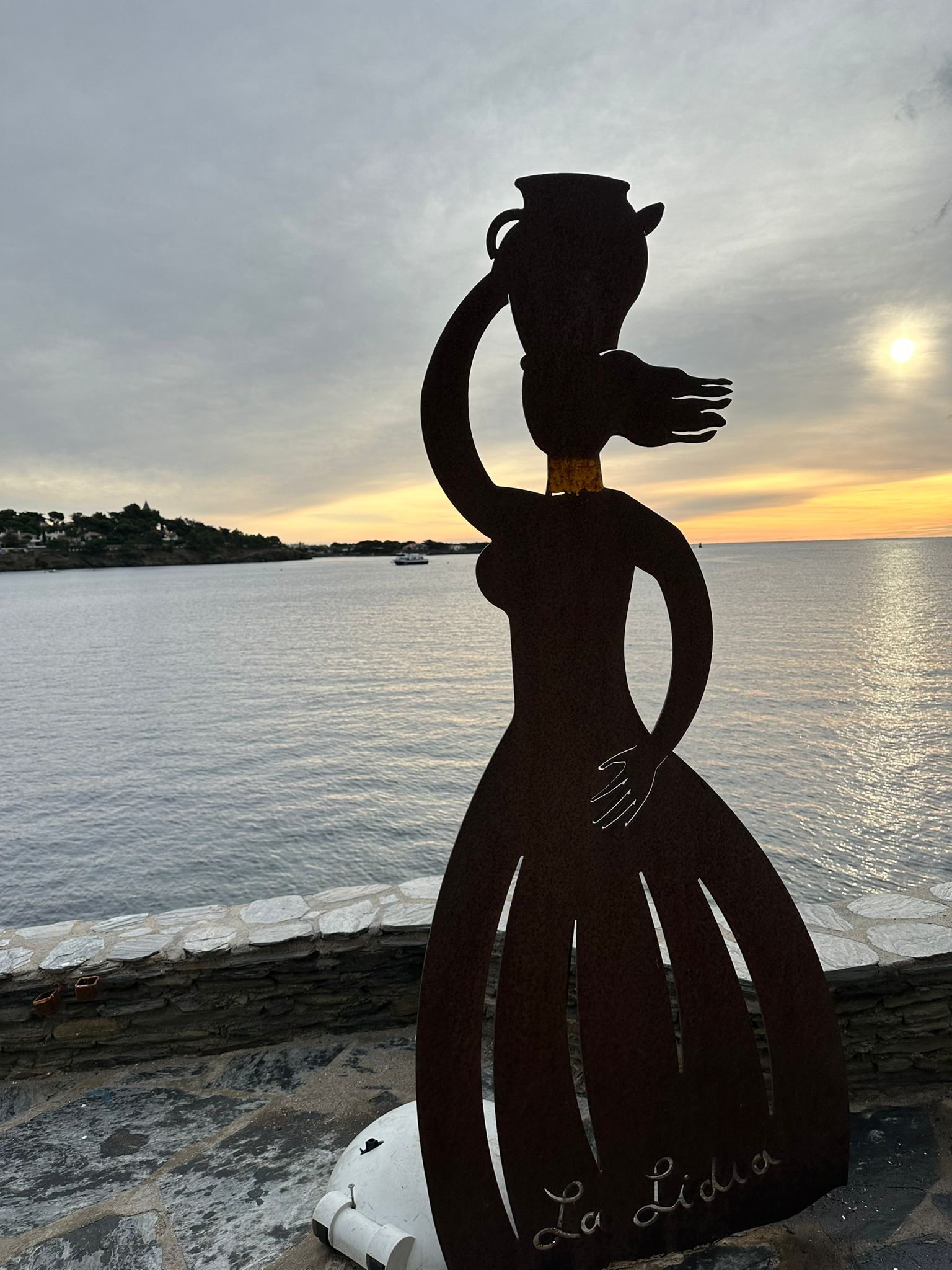
Her figure became so closely linked to the village’s collective imagination that two symbolic sculptures dedicated to her can now be found on opposite sides of the bay: one on Avinguda Víctor Rahola and the other at Riba Pitxot.
Lídia’s house welcomed artists and writers
Lídia Noguer’s home in Es Llaner was more than a fisherman’s house. Eugeni d’Ors stayed there and, some years later, Pablo Picasso and Fernande Olivier also spent time in it. The house became one of those places where the traditional world of Cadaqués crossed paths with the artists and intellectuals who were beginning to frequent the village.
A village fortified against attacks from the sea
For centuries, Cadaqués suffered attacks by pirates, privateers and other raiders arriving from the sea. This insecurity made it necessary to protect and fortify the old centre, clustered around the church and the elevated streets of the historic quarter.
The threat helps explain why growth outside the walls was slow at first, and why the houses along the waterfront developed gradually as the danger receded.
The market gardens almost no one imagines today
Before Cadaqués became identified mainly with the sea, tourism and artists, it also had a landscape of market gardens, waterwheels and small irrigation channels. Anna Maria Dalí remembered an inland Cadaqués filled with cultivated plots, flowers and farmers working at dawn or in the late afternoon.
It is an image very different from today’s postcard view and helps us understand that the village’s traditional life did not depend solely on fishing.
Port Alguer transformed into an artistic landscape
Port Alguer became internationally recognisable through Salvador Dalí’s early paintings. The artist portrayed this small waterfront repeatedly and turned it into one of the landscapes associated with his formative years in Cadaqués.
Port Alguer’s presence in his work explains why the place now retains an artistic value that extends beyond its historical and maritime importance.
Cadaqués preserves not only buildings and landscapes, but also stories that combine reality, extravagance and legend.
Families of artists, fishermen, writers and figures such as Lídia Noguer helped create the image of an isolated, creative village unlike almost anywhere else on the Costa Brava.